
Leadership Academy Insights March 2026
Welcome to Leadership Academy Insights, the official newsletter of the AAST Leadership Academy (LA). This newsletter is intended to be practical, reflective, and grounded in the real leadership work many of us are doing every day.
This initiative is guided by Leadership Academy faculty committed to developing surgeons as leaders:

|
|
|
|
|
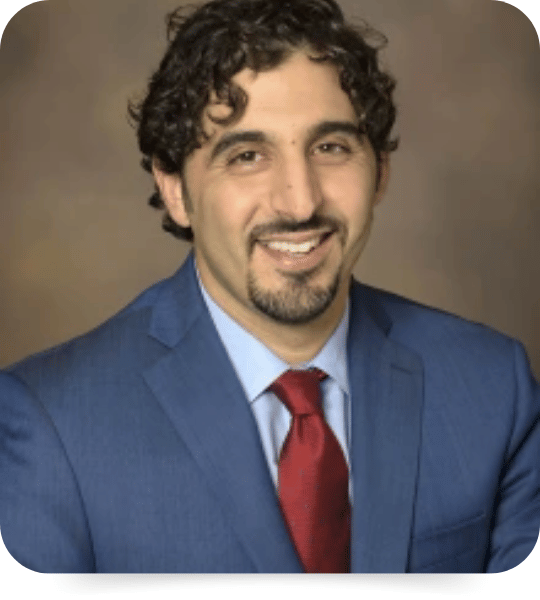
Paula Ferrada, MD |
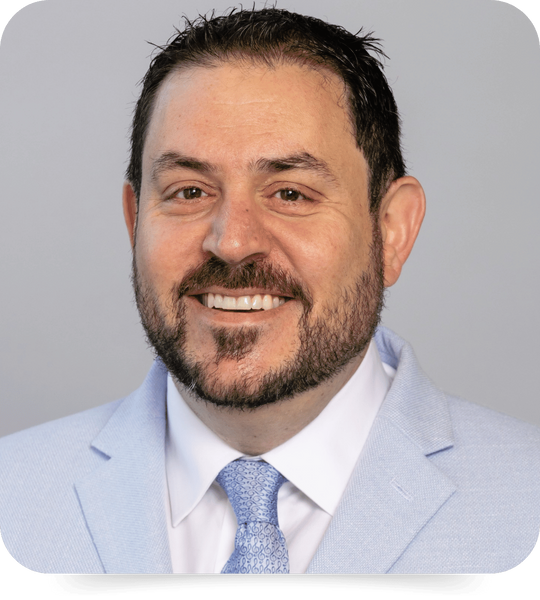
Bellal Joseph, MD |
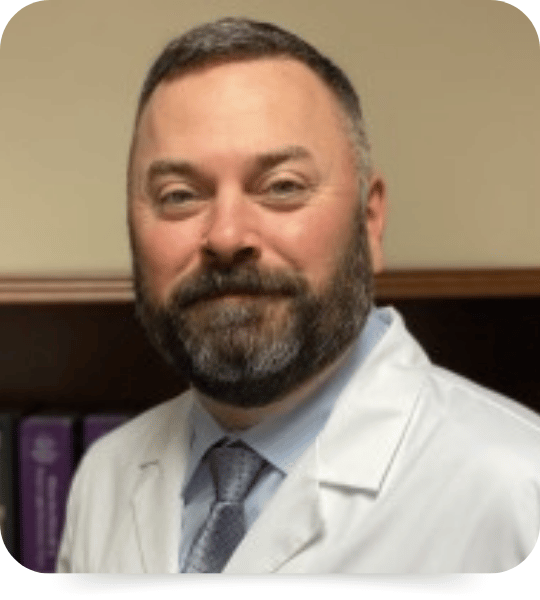
Joseph Sakran, MD
Leadership Academy Insights Chair |
Jason Smith, MD |

Mission Over Self: Becoming the Kind of Leader Who Can’t Be Derailed
Written By: Paula Ferrada, MD, FACS, FCCM, MAMSE
No one teaches you this part of leadership.
They teach you strategy. Metrics. Vision statements. How to speak with confidence and manage conflict. But they don’t teach you what to do with the moment when someone disrespects you. When a comment lands sideways. When your integrity is questioned. When ego flares before reason has a chance to catch up.
I learned this the hard way...
Read More
Continued...
We negotiate with patients and families during difficult conversations. We negotiate with consultants about timing, priorities, and plans of care. We negotiate for operating room access, staffing, ICU resources, and institutional support. We negotiate with hospital leaders, policymakers, insurers, and multidisciplinary teams. In trauma and acute care surgery, we often negotiate under pressure, with incomplete information and competing priorities, where the stakes can be extraordinarily high.
At its core, negotiation is not about manipulation or winning. It is about alignment. It is the process of bringing people with different perspectives, incentives, and constraints toward a shared objective.
Surgeons are, in many ways, uniquely positioned to become effective negotiators. The skills required in surgery, preparation, situational awareness, communication, composure under pressure, and trust-building, are the same skills that define successful negotiation.
Negotiation is already embedded in surgical practice
Surgeons frequently underestimate how much of their work involves influence and negotiation beyond technical operative skill.
Consider informed consent. The goal is not simply to present facts, but to help patients and families navigate uncertainty, understand risk, and arrive at decisions that reflect their values.
Consider multidisciplinary care, where surgeons routinely balance differing opinions, personalities, and priorities while keeping patient care at the center. Consider leadership within hospitals and healthcare systems, where advocating for resources, building new programs, or addressing operational challenges all require navigating competing demands with limited resources.
The modern surgeon is not only an operator. Increasingly, surgeons are expected to be leaders, communicators, strategists, and advocates.
Preparation matters more than performance
The most critical part of negotiation often happens before the conversation begins.
Surgeons prepare meticulously before entering the operating room. We review imaging, anticipate complications, understand anatomy, and formulate contingency plans. Yet many people enter negotiations emotionally, reactively, and without fully understanding the perspectives of those involved.
Effective preparation means understanding what matters most to the other party, what constraints they are facing, what incentives are shaping their decisions, and what you truly need versus what would simply be ideal. It also means knowing your alternatives if alignment cannot be reached.
Too often, negotiations fail not because of disagreement, but because neither side took the time to understand the underlying motivations driving the conversation.
Listening is a leadership skill
Many people approach negotiation assuming success comes from persuasion. In reality, the most effective negotiators spend more time listening than speaking.
Surgeons are trained to make decisions quickly and decisively. That skill is essential clinically, but negotiation often requires slowing down long enough to uncover what is not being said. People rarely change their position because they were overwhelmed by arguments. They move because they feel understood.
Asking thoughtful questions can reveal concerns that appear unrelated to the issue at hand: fear of losing autonomy, institutional pressures, financial constraints, competing departmental demands, or personal uncertainty. Understanding those dynamics shifts the conversation from confrontation to collaboration.
Separate ego from objectives
Surgery naturally attracts driven, competitive people. Those traits are strengths in the operating room. In negotiation, they can work against you.
One of the most common mistakes is allowing a conversation to become personal. Not every disagreement is a threat to your authority or expertise. In many situations, the goal should not be to win an argument but to preserve a relationship while advancing a shared mission.
This matters especially in healthcare, where relationships are long-term and deeply interconnected. The person across from you today may become your collaborator, referral partner, department chair, or institutional ally tomorrow. Strong negotiators know when to push, when to compromise, and when preserving trust is worth more than any single short-term outcome.
Trust is the currency of negotiation
In surgery, trust is foundational. Patients trust us during some of the most vulnerable moments of their lives. Teams trust each other during high-stakes operations. Institutions trust leaders who consistently demonstrate integrity and accountability.
The same is true in negotiation. Trust is built through consistency, transparency, preparation, and credibility over time. It is hard to earn quickly and easy to lose.
People engage constructively when they believe your motivations are genuine and your word is reliable. Some of the most successful negotiations I have witnessed were not driven by leverage alone, but by relationships built years before the negotiation itself ever took place.
Negotiating your contract: what surgeons need to know
For all the negotiation that happens inside hospitals, many surgeons feel least prepared when it comes to negotiating on their own behalf. Employment contracts are complex documents with long-term consequences, and accepting the first offer without engagement is one of the most common and costly mistakes early-career surgeons make.
A few principles apply here as much as anywhere else.
Know your market value before you sit down. Compensation varies significantly by specialty, geography, practice setting, and call burden. Resources like the MGMA Physician Compensation Report, AAMC data, and specialty society surveys provide reliable benchmarks. Going into a contract discussion without this information puts you at an immediate disadvantage.
Understand what you are actually being offered. Base salary is only one component. Scrutinize the RVU structure and productivity thresholds, signing bonuses and whether they come with repayment obligations, partnership or shareholder timelines in private practice settings, call schedules and how after-hours coverage is compensated, tail coverage for malpractice insurance, relocation support, CME allowances, research or administrative protected time, and non-compete clauses and their geographic scope. Many surgeons focus almost entirely on base compensation and overlook provisions that will shape their day-to-day professional life for years.
Engage a healthcare attorney. At times, a physician-focused attorney can help identify problematic contract language, clarify ambiguous terms, and help you understand what is standard versus what is negotiable. The cost is modest relative to the value of a well-structured agreement.
Negotiate the whole package, not just the number. Institutions often have more flexibility on non-salary terms than on base compensation, particularly in academic or health system settings where salary bands are constrained. Protected time for research, leadership opportunities, administrative support, mentorship, and title can all be meaningful levers. Know what matters most to you and prioritize accordingly.
Put everything agreed upon in writing. Verbal commitments, even well-intentioned ones, are difficult to enforce. If something was promised during recruitment, it should appear in the contract or in a written addendum before you sign.
Remember that the negotiation sets a tone. How you advocate for yourself in a contract discussion signals something to your future employer. Approaching it professionally, specifically, and collaboratively, rather than adversarial, demonstrates the same qualities that will serve you throughout your career.
Negotiation beyond the hospital
As healthcare continues to evolve, surgeons are increasingly working beyond traditional clinical spaces, engaging in advocacy, health policy, philanthropy, innovation, administration, and public leadership. These environments require skills that surgical training has rarely emphasized.
The ability to build coalitions, align stakeholders, navigate competing interests, and communicate effectively across disciplines is becoming essential for surgical leaders. Whether advocating for trauma systems, addressing workforce shortages, improving access to care, or shaping healthcare policy, surgeons who understand negotiation will be better positioned to drive meaningful change.
Negotiation is not a distraction from surgical leadership. It is an essential part of it. The future of surgery will require leaders who can not only operate skillfully, but also build alignment, foster trust, navigate complexity, and lead difficult conversations with clarity and purpose. For surgeons early in their careers, negotiation should not be viewed as a transactional skill reserved for contract discussions. It is a lifelong leadership competency that shapes how we care for patients, collaborate with teams, and improve the systems around us.
At its best, negotiation is not about defeating another side. It is about creating pathways forward where meaningful progress becomes possible. And in many ways, that is what surgery has always been about.

Members of the LA are invited to submit real-life scenarios they are facing in their professional roles. These submissions will be featured in the monthly Leadership Academy Insights under this section, Hard Cases, Strong Leaders.
Hard Cases, Strong Leaders submissions will remain anonymous and be used for group learning and leadership development. Once submitted, your scenario will be answered by LA faculty in an issue of the monthly Leadership Academy Insights newsletter.
Cases may include workplace conflicts, difficult conversations, team dynamics, navigating institutional challenges, general leadership dilemmas, etc.
Please briefly describe:
- The situation (no names or identifying details)
- The challenge you’re facing
- The type of guidance you’re seeking
- Any additional information that may be of importance
NEW CASE: Hard Cases, Strong Leaders
Leadership Academy Member Case
The Situation: I’m dealing with a team member who just won’t stop jumping over my head to talk to the leaders above me. We’ve sat down, and they always look me in the eye and say they get how the chain of command works, but then they go right back to ignoring it. They’re constantly meeting with leaders above me without saying a word about it, and they never report back, so I’m always stuck chasing them for updates. It’s frustrating because the rest of my faculty and team members don't do this—they’re professional and follow the process...
Read More
...Continued
The Challenge:
While I recognize the emotional toll these situations take, I find it difficult to create space for meaningful processing without disrupting workflow or appearing to slow down clinical efficiency. Additionally, there is variability in how individuals express or suppress distress, making it challenging to address at a team level.
Guidance Sought:
I am seeking strategies for addressing moral distress and burnout within a high-functioning clinical team in a way that is both authentic and practical. How can I foster psychological safety and reflection without overburdening the team or creating unintended consequences?
Additional Information:
I am particularly interested in approaches that are feasible within time-constrained clinical environments and that can be integrated into existing team structures rather than requiring entirely new processes.
Faculty Response By: Jason Smith, MD, PhD
One of the mistakes we make in surgery, and particularly in trauma and acute care surgery, is believing that resilience is primarily an individual trait. In reality, most burnout and moral distress in high-performing teams are organizational and cultural phenomena that happen to individuals. This distinction is important because it alters the approach to intervention. You cannot “wellness lecture” your way out of a structurally exhausting environment.
The second mistake is assuming that acknowledging distress will slow the team down. In my experience, the opposite is usually true. Teams that suppress tension eventually pay for it in other ways: communication failures, cynicism, turnover, emotional disengagement, or quiet erosion of standards. The goal is not to create group therapy in the ICU or trauma bay. The goal is to create enough psychological safety that people can remain effective humans while doing extraordinarily difficult work.
Your problem, although specific to your situation, also occurs nationwide in various aspects of medicine. I often recommend starting with three principles.
First, normalize emotional complexity without pathologizing it. In prolonged cases with uncertain outcomes, it is entirely appropriate for clinicians to feel frustration, sadness, helplessness, or even conflict about what constitutes beneficent care. Those reactions are not evidence of weakness; they are evidence that the team still cares. I think leaders sometimes unintentionally create distress by implying that emotional neutrality is the professional standard. It is not. Professionalism is maintaining disciplined decision-making despite emotion, not the absence of emotion.
Second, keep interventions operationally light. If a process feels performative or administratively heavy, clinicians will reject it immediately. In high-acuity environments, the most effective approaches are often brief, consistent, and embedded into existing workflows.
Third, the leader sets the emotional tone more than the leader realizes. Teams watch carefully for whether senior surgeons acknowledge complexity honestly or retreat into transactional efficiency. Psychological safety is built less by formal programs and more by repeated small behaviors from respected leaders.
Practically, I have found several approaches useful in my careers at various levels and times.
One is the “90-second reset” after particularly difficult events. This is not a formal debrief. It is simply a brief pause where the attending or team leader acknowledges what just occurred. Sometimes that sounds like, "That was a hard case." We did the right things, even if the outcome is uncertain.” At other instances, it entails only acknowledging the emotional weight present in the environment. Conciseness and authenticity are key. You are not attempting to alleviate discomfort in the present time, but rather you are averting emotional isolation.
Another strategy is embedding reflective questions into existing rounds or sign-outs rather than creating entirely new meetings. For example:
“Anything from this case we should carry forward operationally?”
“Any concerns about team strain or communication today?”
“What is one thing we could have done better for this patient or family?”
Those questions sound deceptively simple, but over time they create permission structures for people to speak honestly.
I also think leaders underestimate the importance of visible vulnerability from senior faculty. I do not mean oversharing or emotional dumping. I mean acknowledging uncertainty, disappointment or moral strain in a proper way. Younger surgeons often assume experienced leaders are unaffected by these situations because we appear composed externally. In reality, many of us have simply learned how to carry it quietly. There is value in occasionally saying, “Cases like this stay with you,” or “This was difficult for all of us.” That statement alone can change a culture.
Importantly, not everyone processes distress verbally. Some clinicians become quieter, more irritable, more perfectionistic, or emotionally detached. Leaders should avoid assuming wellness is equivalent to participation in open discussion. Often the most effective intervention is relational consistency: checking in individually, noticing behavioral changes, and ensuring people feel seen without forcing disclosure.
One practical framework I often recommend is distinguishing between fixable distress and existential distress. If the issue is operational, address it operationally. Excessive documentation burden, poor staffing, inefficient throughput, unclear goals of care discussions, and repeated ethical ambiguity all amplify burnout. Physicians become cynical when organizations frame structural problems as individual resilience deficits.
But some of our distress is inherent to the work. Trauma surgery, critical care, and acute care surgery places clinicians in repeated proximity to suffering, uncertainty, and loss. The answer there is not elimination of discomfort. The solution involves forming teams in which individuals do not feel isolated while carrying these burdens.
Finally, I would advise against the excessive medicalization of typical human reactions. Not every challenging week signifies pathology. High-performing teams frequently want recognition rather than assistance. They seek assurance that their leaders recognize the burden, appreciate the effort, and are prepared to foster brief instances of humanity inside an otherwise unyielding system. Paradoxically, those brief instances frequently enhance efficiency rather than reducing it. Teams that possess mutual trust exhibit enhanced communication clarity, expedite recovery from bad occurrences, and maintain elevated performance over extended periods. In surgery, culture is integral to operational excellence. It is a fundamental driver of it.
SAVE THE DATE!
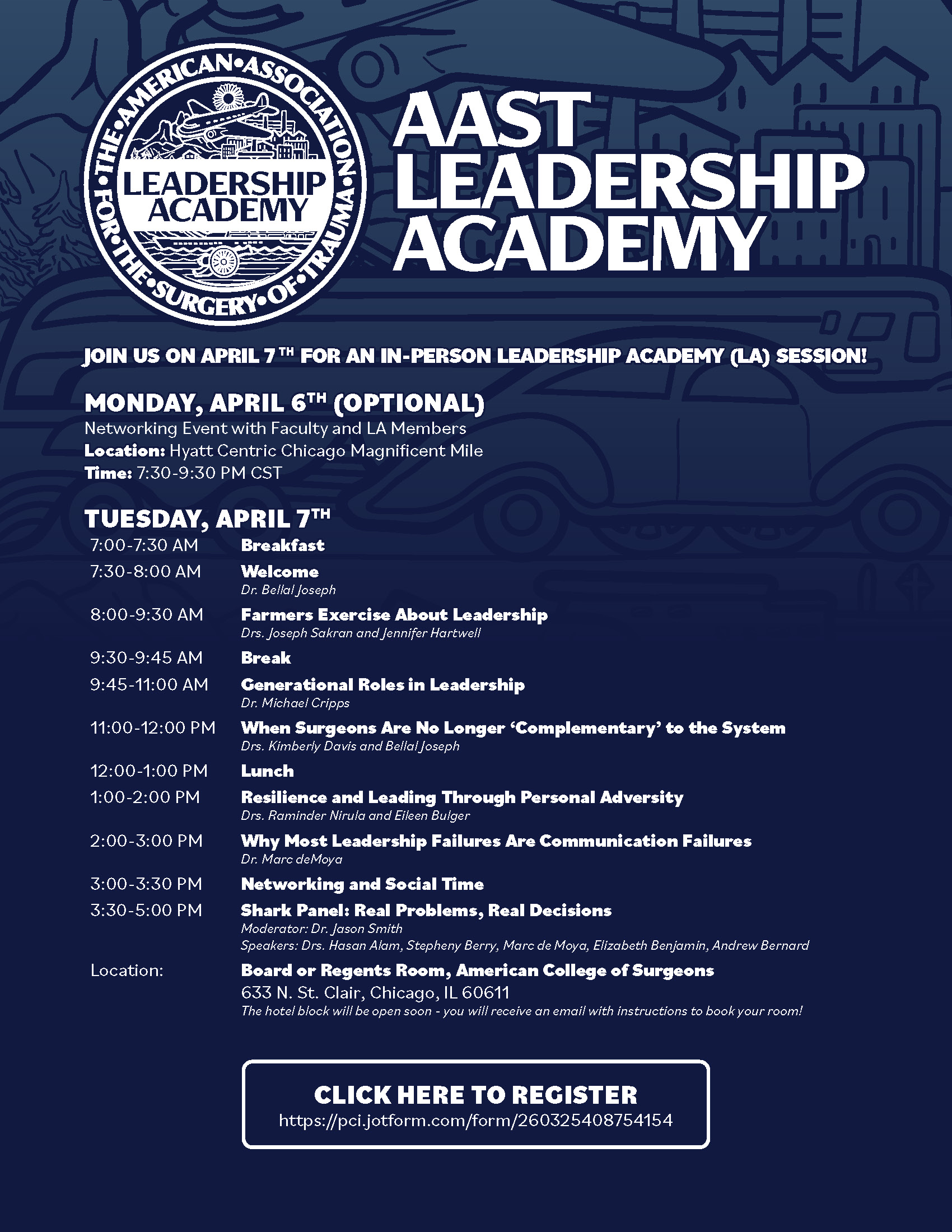

SAVE THE DATE
Join us in Dallas, Texas at the AAST Annual Meeting for an in-person Leadership Academy event on Thursday, September 17th!
More info to come!