
Current Research Projects
2026 -2027 Sprint Grant Projects
Stefan Leichtle, MD, MBA
Inova Fairfax Medical Center
PRaCTUS BCVI will compare universal and selective screening for blunt cerebrovascular injury to evaluate whether universal screening increases detection and reduces BCVI-related stroke and stroke-related mortality.
Patrick Murphy, MD, MPH, MSc
Medical College of Wisconsin
This study will examine how daily patient-to-surgeon ratios affect patient outcomes across trauma, emergency general surgery, and surgical intensive care unit services and identify service-specific thresholds above which outcomes deteriorate.
2026 - 2027 Research and Education Fund Research Projects
The AAST Research and Education Fund is funding four scholarships for 2026-2027. The scholarship recipients will receive their scholarship plaque at the 85th Annual Meeting of AAST & Clinical Congress of Acute Care Surgery in Dallas, TX, and will present their research findings at the 86th Annual Meeting of AAST & Clinical Congress of Acute Care Surgery in Chicago, IL.
Dijoia Darden, MD
University of Florida
Fostamatinib modification of sepsis-induced myelodysplasia in chronic critical illness
This project investigates whether fostamatinib, a spleen tyrosine kinase inhibitor identified through single-cell RNA sequencing and artificial intelligence, can reverse the persistent immune dysfunction associated with chronic critical illness (CCI) following surgical sepsis that leads to recurrent infections, rehospitalization, and high one-year mortality. Approximately one-third of early surgical sepsis survivors develop CCI which is driven by abnormal myeloid-cell development and expansion of myeloid-derived suppressor cells in a syndrome of persistent inflammation, immunosuppression, and catabolism (PICS). The study hypothesizes that effective treatment must address this dysfunction in both circulating myeloid cells and bone marrow hematopoietic stem and progenitor cells. Using healthy donor cells conditioned with plasma from septic patients, researchers will test whether fostamatinib’s active metabolite, R406, restores normal cell development and gene-expression patterns, as measured by flow cytometry and single-cell RNA sequencing. Positive findings would support further testing in preclinical models and, ultimately, human clinical trials.
Robert Keskey, MD, PhD
University of Louisville
Pathogen Induced Coagulopathy
This project investigates whether secreted factors from gut bacterial pathogens contribute to delayed coagulopathy and bleeding complications in critically ill trauma patients. Following severe injury, stress, antibiotic exposure, and nutritional changes can disrupt the gut microbiome, reducing beneficial bacteria and promoting domination by pathogens such as Pseudomonas aeruginosa, which can secrete virulence factors that damage host proteins and alter immune function. Building on the discovery of a patient-derived P. aeruginosa strain that produces a factor capable of inducing coagulopathy in humans, the study will determine the underlying mechanism, identify environmental conditions that enhance or suppress this effect, and evaluate other common gut pathogens for similar activity. The findings may reveal a previously unrecognized microbial cause of bleeding and support new strategies to predict, prevent, and treat coagulopathy in critically ill trauma patients.
Rachel Koch, MD
University of California San Francisco
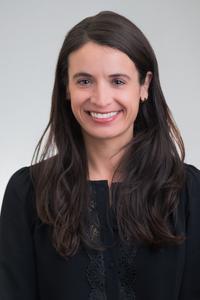
Scaling up Life-Saving Surgical Care: Transforming Care of Injured Patients in Uganda through Workforce Education, Partnerships, and Local System Development
This project will evaluate knowledge retention and provider behavior change following participation in Uganda’s validated, context-specific trauma education programs, including the Kampala Advanced Trauma Course (KATC) and an operative trauma course. Building on 15 years of locally delivered training, prior evidence of positive participant response and knowledge acquisition, and ongoing efforts to develop Ugandan faculty and establish the region’s first trauma fellowship, the study will assess whether incorporating asynchronous online content and AI-assisted feedback can expand access while reducing in-person teaching and assessment demands. Following a Kern’s model–guided curriculum revision and standardized train-the-trainers program, the project will examine the feasibility and effectiveness of this blended approach and its impact on trauma resuscitation practices across Uganda’s diverse, resource-variable hospital settings.
Patricia Martinez Quinones, MD, PhD
Duke University
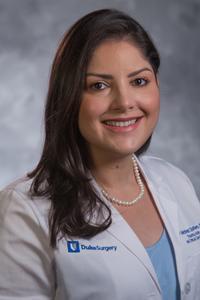
Trauma-Induced NK Cell Dysregulation: Trafficking Signatures of Immune Resilience
This project investigates how natural killer (NK) cell differentiation and trafficking contribute to chronic critical illness (CCI) and nosocomial infections following severe trauma. Although improved resuscitation has reduced early trauma mortality, survivors remain vulnerable to prolonged organ dysfunction, infections, and poor long-term outcomes, with limited tools available to identify those at greatest risk. Building on evidence that NK cell subsets shift within 24 hours of injury and correlate with complications such as sepsis, ventilator-associated pneumonia, and organ-space infections, the study will use tissue-engineered blood vessel co-culture systems and humanized mouse models to define how trauma-induced NK cell reprogramming alters interactions with endothelial cells and influences inflammatory pathways. The long-term goal is to establish NK cell phenotypes and trafficking patterns as biomarkers and therapeutic targets for early immune-risk stratification and precision treatments that prevent CCI and improve recovery after trauma.