

Welcome to The Cutting Edge
The Cutting Edge is the official member newsletter of the American Association for the Surgery of Trauma (AAST), designed to keep you informed, inspired, and engaged. Each issue delivers timely updates, thought leadership, committee initiatives, educational resources, member achievements, and the latest developments across the world of trauma and acute care surgery.
Whether you're looking for executive updates, advocacy efforts, grant opportunities, program highlights, or perspectives from your peers, The Cutting Edge brings the pulse of AAST directly to your inbox.
The most up-to-date information for all things AAST

Editor's Note
Written by: Shannon M. Foster, MD

Shannon Foster, MD
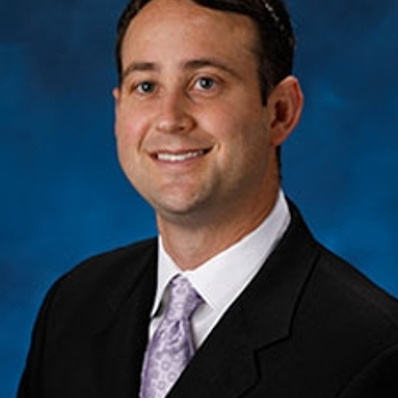
Jeffry T. Nahmias, MD

Caroline Park, MD, MPH
Friends and colleagues -
Welcome 2026! I predict a year of changes ahead in both the expected and the unexpected. As a community - we are strong and ready to face whatever comes - so let’s go!
One thing is certain - in the journey of our profession the AAST will be there - partnering with each step to guide and share the experience. In this time of exponential proliferation of materials, research, publication, economic and policy updates, and practice-centered outputs, much is missed and rapidly passed by in the scroll and email overload. We at the Cutting Edge (both print and podcast), and the entire Communications team are working diligently to bring you news that is fresh, relevant, and worth sharing. Our initiatives should better align and streamline AAST highlights, Committee work, and Executive action that directs the organization and enhances your career across the integrated platforms of website, socials, audio, and direct delivery emails. We are also ensuring broad representation of practice experience, position, and points of view to be included in all deliverables. I am excited to bring this work to you in the year ahead. To do so, it is my pleasure to introduce the new Communications Committee Vice Chairs, each of whom will lead a segment of these important projects.
Dr. Jeffry Nahmias, Chair Division Trauma, Burns, Surgical Critical Care at UC Irvine, will guide the editorial work of the Cutting Edge Newsletter, the newly refurbished website, and other long form written materials. When asked to describe himself, he responded that he is an academic surgeon “focused on clinical, professional, and research mentorship” and shared the quote that guides his perspective: “A good mentor gets you to where you need to be, a great mentor gets you to where you want to be.” Truth.
Dr. Caroline Park, Trauma Medical Director at UT Southwestern, assumes the direction of our media platforms, including the Cutting Edge Podcast, social media integration, and all other short-form and immediate messaging avenues. A self described “Jill-of-all-Trades who loves teaching future surgeons and cannot resist integrating bio innovation and technology into her practice.” A kindred spirit in need of energy boosts, admits she “runs on black coffee and Diet Coke.” Don’t we all ;)
I am indebted to their willingness to lead, their dedication, and the renewed energy they bring to these efforts. And the entire Committee that often remains behind the scenes unrecognized. Please thank them with me. As always, please reach out to any one of us with ideas, feedback, or a willingness to contribute.
Thank you for reading.
Shannon
Expand to Explore
Leadership Is No Longer Optional: Reframing the Surgeon’s Professional Obligation
Leadership Is No Longer Optional: Reframing the Surgeon’s Professional Obligation
The contemporary healthcare landscape is unforgiving toward organizations that lack strong, adaptable leadership.
The combination of financial volatility, labor shortages, demographic changes, and increasing public expectations has exposed the limitations of conventional governance paradigms. Academic health systems now function at the convergence of clinical intricacy, educational obligation, and research advancement, all while navigating limited financial margins. In this situation, leadership is not an administrative indulgence; it is a critical imperative.
Surgeons occupy a unique and often underleveraged position within this leadership landscape. Their training emphasizes accountability, decisiveness, situational awareness, and team coordination under pressure. These competencies are forged through years of practice in environments where uncertainty is the norm and consequences are immediate. Yet despite this alignment, surgeons remain underrepresented in enterprise leadership roles,
particularly at the level of health-system governance.
This gap is not due to a lack of capability or ambition. Rather, it reflects a systemic failure to prepare surgeons for leadership beyond the operating room. Surgical education has historically focused on technical excellence and clinical judgment, but it has not treated leadership as a professional competency requiring the same rigor and intentionality.
The result is a predictable mismatch. Surgeons are often promoted into leadership roles based on clinical reputation or seniority and then expected to learn leadership on the job. Finance, strategy, workforce management, and organizational change are treated as ancillary rather than essential domains of surgical professionalism.
Contemporary healthcare leadership necessitates proficiency in navigating ambiguity, accepting measured risks, and unifying disparate stakeholders around common objectives. Surgeons possess the necessary skills for this task, provided their clinical instincts are intentionally adapted to business environments.
For academic surgery, the implications are profound. Leadership development must be reframed as a longitudinal responsibility rather than an episodic opportunity. Residency and fellowship programs should introduce leadership concepts early, normalize system-level thinking, and provide experiential exposure to organizational decision-making.
Leadership must be reclaimed as a core element of surgical professionalism. It is not an alternative career path but an extension of the surgeon’s obligation to steward resources, develop future generations, and ensure the long-term viability of the systems in which care is delivered.
Burn Mass Casualty Incident: How do we manage them?
Disaster Committee
Burn Mass Casualty Incident: How do we manage them?
Written by: Natalie DeWitte, DO and Lori Rhodes, MD
Burn disasters are rare occurrences but when they do happen, they can be catastrophic and can be challenging to manage for those who may be unfamiliar with burn care. Burn disasters over the last hundred years have occurred in the setting of large fires, explosions, natural disasters, or acts of terrorism. Worsening global climate change, rise in industrialization and increased incidence of terrorism calls attention to the need for better preparation for these mass casualty events.
A burn mass casualty incident occurs when the number of burn victims exceeds the capacity of local burn centers. Surge capacity, the balance of staff, supplies, and space, becomes critical in managing the influx. Established triage criteria guide treatment decisions and determine the need for burn center transfer. Initial management includes stabilizing airway, breathing, and circulation. Burn size should be estimated using the rule of nines or the palm method, followed by resuscitation if indicated.
Often in mass burn casualty incidents, patients can have concomitant traumatic injuries making triage complex. In almost all situations, traumatic injuries will take priority over burn injuries such as uncontrolled hemorrhage, airway compromise, or traumatic brain injury as these are life-threatening. Patients with severe trauma and major burns should be considered for early transfer to tertiary care centers.
If a burn mass casualty event occurs, there are several organizations that provide resources. The ABA can provide disaster plans, hotlines with direct access to burn experts, and educational materials to help you respond to these events. The ASPR Tracie program under HHS provides guidance on triage, assessment and treatment. Lastly, the WHO has their own set of guidelines for managing these mass casualty events and has these available online for no cost. The following links can be found on AAST disaster committee website
Resources:
Read More
Continued...
We negotiate with patients and families during difficult conversations. We negotiate with consultants about timing, priorities, and plans of care. We negotiate for operating room access, staffing, ICU resources, and institutional support. We negotiate with hospital leaders, policymakers, insurers, and multidisciplinary teams. In trauma and acute care surgery, we often negotiate under pressure, with incomplete information and competing priorities, where the stakes can be extraordinarily high.
At its core, negotiation is not about manipulation or winning. It is about alignment. It is the process of bringing people with different perspectives, incentives, and constraints toward a shared objective.
Surgeons are, in many ways, uniquely positioned to become effective negotiators. The skills required in surgery, preparation, situational awareness, communication, composure under pressure, and trust-building, are the same skills that define successful negotiation.
Negotiation is already embedded in surgical practice
Surgeons frequently underestimate how much of their work involves influence and negotiation beyond technical operative skill.
Consider informed consent. The goal is not simply to present facts, but to help patients and families navigate uncertainty, understand risk, and arrive at decisions that reflect their values.
Consider multidisciplinary care, where surgeons routinely balance differing opinions, personalities, and priorities while keeping patient care at the center. Consider leadership within hospitals and healthcare systems, where advocating for resources, building new programs, or addressing operational challenges all require navigating competing demands with limited resources.
The modern surgeon is not only an operator. Increasingly, surgeons are expected to be leaders, communicators, strategists, and advocates.
Preparation matters more than performance
The most critical part of negotiation often happens before the conversation begins.
Surgeons prepare meticulously before entering the operating room. We review imaging, anticipate complications, understand anatomy, and formulate contingency plans. Yet many people enter negotiations emotionally, reactively, and without fully understanding the perspectives of those involved.
Effective preparation means understanding what matters most to the other party, what constraints they are facing, what incentives are shaping their decisions, and what you truly need versus what would simply be ideal. It also means knowing your alternatives if alignment cannot be reached.
Too often, negotiations fail not because of disagreement, but because neither side took the time to understand the underlying motivations driving the conversation.
Listening is a leadership skill
Many people approach negotiation assuming success comes from persuasion. In reality, the most effective negotiators spend more time listening than speaking.
Surgeons are trained to make decisions quickly and decisively. That skill is essential clinically, but negotiation often requires slowing down long enough to uncover what is not being said. People rarely change their position because they were overwhelmed by arguments. They move because they feel understood.
Asking thoughtful questions can reveal concerns that appear unrelated to the issue at hand: fear of losing autonomy, institutional pressures, financial constraints, competing departmental demands, or personal uncertainty. Understanding those dynamics shifts the conversation from confrontation to collaboration.
Separate ego from objectives
Surgery naturally attracts driven, competitive people. Those traits are strengths in the operating room. In negotiation, they can work against you.
One of the most common mistakes is allowing a conversation to become personal. Not every disagreement is a threat to your authority or expertise. In many situations, the goal should not be to win an argument but to preserve a relationship while advancing a shared mission.
This matters especially in healthcare, where relationships are long-term and deeply interconnected. The person across from you today may become your collaborator, referral partner, department chair, or institutional ally tomorrow. Strong negotiators know when to push, when to compromise, and when preserving trust is worth more than any single short-term outcome.
Trust is the currency of negotiation
In surgery, trust is foundational. Patients trust us during some of the most vulnerable moments of their lives. Teams trust each other during high-stakes operations. Institutions trust leaders who consistently demonstrate integrity and accountability.
The same is true in negotiation. Trust is built through consistency, transparency, preparation, and credibility over time. It is hard to earn quickly and easy to lose.
People engage constructively when they believe your motivations are genuine and your word is reliable. Some of the most successful negotiations I have witnessed were not driven by leverage alone, but by relationships built years before the negotiation itself ever took place.
Negotiating your contract: what surgeons need to know
For all the negotiation that happens inside hospitals, many surgeons feel least prepared when it comes to negotiating on their own behalf. Employment contracts are complex documents with long-term consequences, and accepting the first offer without engagement is one of the most common and costly mistakes early-career surgeons make.
A few principles apply here as much as anywhere else.
Know your market value before you sit down. Compensation varies significantly by specialty, geography, practice setting, and call burden. Resources like the MGMA Physician Compensation Report, AAMC data, and specialty society surveys provide reliable benchmarks. Going into a contract discussion without this information puts you at an immediate disadvantage.
Understand what you are actually being offered. Base salary is only one component. Scrutinize the RVU structure and productivity thresholds, signing bonuses and whether they come with repayment obligations, partnership or shareholder timelines in private practice settings, call schedules and how after-hours coverage is compensated, tail coverage for malpractice insurance, relocation support, CME allowances, research or administrative protected time, and non-compete clauses and their geographic scope. Many surgeons focus almost entirely on base compensation and overlook provisions that will shape their day-to-day professional life for years.
Engage a healthcare attorney. At times, a physician-focused attorney can help identify problematic contract language, clarify ambiguous terms, and help you understand what is standard versus what is negotiable. The cost is modest relative to the value of a well-structured agreement.
Negotiate the whole package, not just the number. Institutions often have more flexibility on non-salary terms than on base compensation, particularly in academic or health system settings where salary bands are constrained. Protected time for research, leadership opportunities, administrative support, mentorship, and title can all be meaningful levers. Know what matters most to you and prioritize accordingly.
Put everything agreed upon in writing. Verbal commitments, even well-intentioned ones, are difficult to enforce. If something was promised during recruitment, it should appear in the contract or in a written addendum before you sign.
Remember that the negotiation sets a tone. How you advocate for yourself in a contract discussion signals something to your future employer. Approaching it professionally, specifically, and collaboratively, rather than adversarial, demonstrates the same qualities that will serve you throughout your career.
Negotiation beyond the hospital
As healthcare continues to evolve, surgeons are increasingly working beyond traditional clinical spaces, engaging in advocacy, health policy, philanthropy, innovation, administration, and public leadership. These environments require skills that surgical training has rarely emphasized.
The ability to build coalitions, align stakeholders, navigate competing interests, and communicate effectively across disciplines is becoming essential for surgical leaders. Whether advocating for trauma systems, addressing workforce shortages, improving access to care, or shaping healthcare policy, surgeons who understand negotiation will be better positioned to drive meaningful change.
Negotiation is not a distraction from surgical leadership. It is an essential part of it. The future of surgery will require leaders who can not only operate skillfully, but also build alignment, foster trust, navigate complexity, and lead difficult conversations with clarity and purpose. For surgeons early in their careers, negotiation should not be viewed as a transactional skill reserved for contract discussions. It is a lifelong leadership competency that shapes how we care for patients, collaborate with teams, and improve the systems around us.
At its best, negotiation is not about defeating another side. It is about creating pathways forward where meaningful progress becomes possible. And in many ways, that is what surgery has always been about.
CMS Updates in 2026 that may affect your practice
Healthcare Economics Committee
CMS Updates in 2026 that may affect your practice
Written By: Author, Co-Editor: Raeanna C. Adams, MD, MBA, FACS, Co-Editor: Samir M. Fakhry, MD, FACS
Increase in Medicare Conversion Factor (CF): 3.26% for most physicians (if not in advanced alternative payment models)
(wRVUs + Practice Expense RVUs + Malpractice RVUs) x CF = Final Payment
“Efficiency adjustment” beginning January 2026, unless legislative changes: 2.5% decrease
- 2.5% decrease in wRVUs and intra-service time for almost all non-time-based codes
- Based on no new data or physician input.
-
- Affects nearly 7,000 physician services and 91% of services provided by physicians.
- It is predicted that 53% of general surgeons will see a 5-10% reduction in total RVUs; 28% will see a 2-5% reduction. Vs ~50% of primary care will see a 5-10% increase.
- CMS assumes physician time and intensity has decreased for all procedures.
- Procedure times are steady or increasing (average 3.1% increase in time, thought to be due to increasing complexity, obesity, comorbidities, etc)
- Primary care is advocating for this change, as those who will not see the Efficiency Adjustment will only get the increased reimbursement from the Conversion Factor increase.
- 50% cut to indirect Practice Expense (PE) RVUs for all facility-based services
- CMS assumes allocation of indirect costs for PE RVUs in facility setting at same rate as non-facility setting is “double counting” for facility-based indirect PE when hospitals employ physicians
- Indirect PE costs still exist for employed physicians and hospitals (not doctors) are true recipients of any double payments.
- Specialists who primarily see pts in an office will see pay increase. Physician payment for services in a facility will decrease ~7%.
*Upshot: Lower RVUs for same procedures - Applies across the board, even for newer codes that were already adjusted and based on recent data. Physicians with salaries based on RVUs should negotiate for appropriate adjustments of targets/benchmarks.
CPT Codes/Revisions Accepted (listed on public agenda, active January 2027) more details after finalized:
- Skin cell suspension autograft (SCSA) -Accepted addition of codes 15X19-15X22 for reporting ; revision of SCSA guidelines; and deletion of codes 15011-15018.
- Diaphragmatic hernia repair - Accepted addition of codes 39XX3-39X12 for repair of diaphragmatic hernia; addition of add-on code 39X13 for mesh implantation; revision of codes 39540, 39541 to reflect “via laparotomy” for diaphragmatic hernia repair.
References
- American Medical Association (AMA) — “AMA releases CPT 2026 code set” (Sept 11, 2025) (American Medical Association)
- MLN14315 Medicare Physician Fee Schedule Final Rule Schedule CY 2026. https://www.cms.gov/files/document/mm14315-medicare-physician-fee-schedule-final-rule-summary-cy-2026.pdf
- Centers for Medicare & Medicaid Services (CMS) — “CY 2026 Payment Policies under the Physician Fee Schedule and Other Changes to Part B Payment Policies” (Final Rule 2025) (Federal Register)
- Childers, Christopher P; Foe, Lauren M; Mujumdar, Vinita; Mabry, Charles D; Selzer, Don; Senkowski, Christopher K; Ko, Clifford Y; Tsai, Thomas C. Longitudinal Trends in Efficiency and Complexity of Surgical Procedures: Analysis of 1.7 Million Operations Between 2019 and 2023. Journal of the American College of Surgeons. 241(5):p 741-744, November 2025. | DOI: 10.1097/XCS.0000000000001588
Critical Appraisal of SCORE’s Diversity, Equity, and Inclusion Curriculum for General Surgery Residents
Diversity, Equity, and Inclusion Committee
Critical Appraisal of SCORE’s Diversity, Equity, and Inclusion Curriculum for General Surgery Residents
Written By: Megan T. Quintana, MD FACS
The SCORE Curriculum has made deliberate progress in expanding DEI-focused educational offerings for general surgery residents, and the six currently available modules represent a notable step toward embedding equity principles into core surgical training. Collectively, these resources span foundational concepts such as cultural awareness, language barriers, communication norms, allyship, and the socio-structural forces shaping the surgical workforce. Still, amount of content, content depth, pedagogical strategy, and integration vary widely across modules, revealing some strengths and many more opportunities for further development.
Strengths of the Current SCORE DEI Portfolio
Several modules demonstrate impressive scholarly rigor and contemporary relevance. Diversity in the U.S. Surgical Workforce provides a rich, data-driven overview of representation gaps and trends across training and academic leadership. Its explicit use of updated UIM definitions, pipeline data, and institutional barriers (e.g., minority tax, biased promotion structures) gives learners a robust foundation for understanding structural inequities that shape surgical training and practice. The Allyship and Bystander Intervention module similarly stands out for providing concrete frameworks such as the “Five Ds” and real-world behavioral taxonomies that allow residents to identify, interpret, and respond to disruptive behavior—a critical skill given the well-documented links between psychological safety, communication failures, and adverse patient outcomes.
The PACTS module extends the curriculum’s cross-cultural competence by emphasizing trust-building, trauma-informed communication, and optimizing encounters with patients with limited English proficiency. Its incorporation of informed consent as an iterative, culturally influenced process is particularly valuable for surgical residents who often navigate high-stakes decisions in compressed timelines.
SCORE also attempts to integrate DEI concepts into modules not explicitly branded as DEI content. For example, Communicating Medical Errors incorporates cultural dimensions of apology, acknowledgement, and trust—an important reminder that equity is inseparable from core professional competencies.
Gaps and Opportunities for Enrichment
Despite the existing content, the curriculum varies in sophistication. Some modules, especially Working Through Language Barriers and Differing Customs, present culturally relevant scenarios but rely heavily on lists, definitions, and broad principles without offering nuanced discussion of intersectionality, systems-based inequities, or the sociopolitical context influencing patient-physician interactions. Guidance for using interpreters is practical but remains focused on mechanics rather than deeper issues of power dynamics, health literacy, or institutional responsibilities in mitigating inequitable communication practices.
The lack of structured assessment tools represents another lost opportunity. None of the reviewed modules include validated evaluation instruments, reflective prompts, or entrustable professional activity-aligned competencies. Without mechanisms to measure learner growth, DEI training risks becoming theoretical rather than transformative.
Additionally, although the modules highlight the lack of UIM representation and the persistence of microaggressions, they provide limited exploration of antiracist praxis, systems-level redesign, or concrete programmatic strategies that residency programs can implement. The curriculum would be strengthened by expanding its focus to include structural competency, restorative approaches to conflict, and institutional accountability frameworks.
SCORE’s DEI-related offerings provide the start of a foundation for resident learning but could better reflect the surgical community’s growing commitment to equity and inclusion. The content is strongest when it integrates DEI principles into essential surgical competencies (communication, trust-building, patient safety) and weakest where it remains largely descriptive rather than action-oriented. As the field continues to evolve, future iterations would benefit from deeper structural analysis, competency-based assessments, richer scenario-based learning, and stronger integration of DEI content across all clinical modules, not as supplemental material, but as core to the practice of safe, effective, and human-centered surgery.
Perioperative DNAR
Palliative Care Committee
Perioperative DNAR
Author: Melanie Bobbs, MD FACS
We’ve all been there. It’s two in the morning, and you are on call. A patient comes into the Emergency Department with abdominal pain. They are septic, altered, and you are informed they have a pre-existing “Do Not Attempt Resuscitation” (DNAR) order.
Historically, undergoing surgery was an informal agreement between patients and their providers. This implied contract suggested patients will accept life-saving treatment necessary for survival in the perioperative period. Thus, many institutions and clinicians developed a culture of automatic suspension for any existing DNAR orders if a patient was proceeding to the operating room. This process is very different from individualized treatment plans based on goals of care. For many, automatic suspension of DNAR orders was an effort to practice nonmaleficence, a core principle to our profession. Many have felt that not attempting resuscitation following a perioperative complication, whether due to therapeutic effort or error, violates our duty to do no harm. However, automatic suspension of DNAR orders does not sufficiently address a patient’s right to self-determination and autonomy. The American College of Surgeons (ACS) published its last Statement on the Advanced Directives by Patients: “Do Not Resuscitate” in the Operating Room in 2013, revised from 1994, advising “required reconsideration” for patients undergoing an operation with an existing DNAR order. While this should not be confused as mandating the patient reconsider their wishes, it does imply that surgeons have a duty to understand the patient’s goals of care in the time constraints of the clinical situation.
In circumstances with limited time, it is important to have a clear algorithm to address and understand these goals. There are three peri-operative plans to help guide the discussion, and you should ask questions to delineate which of them match your patient’s values. These three options are: temporarily suspend the DNAR order; conditionally suspend/modify the DNAR order; do not suspend the DNAR order. Try to obtain and review the pre-existing DNAR and record it in the patient’s medical record. Assess whether your patient has capacity to discuss their DNAR order, and if not, attempt to reach out to a surrogate decision maker. Next is to understand the patient’s values, preferences and goals that originated the DNAR order. Questions to consider asking the patient include, “Are there states you find unacceptable?” and “What is currently most important to you?” After gathering this information from the patient or surrogate, then an informed consent discussion ensues, which includes disclosing potential adverse scenarios and perioperative complications, and whether the planned operation or procedure will enhance, maintain, or diminish the patient’s quality of life. It is critically important to understand if any potential outcomes do not align with states the patient would find unacceptable. Avoiding or aborting a procedure may be more concordant with the patient’s goals of care. Clearly document your discussion in the medical record.
To help simplify discussions on perioperative plans, use levels of care to distinguish life sustaining treatments (LSTs) that best fit the patient’s goals while undergoing general anesthesia. This can also help avoid unrealistic “checklists” with certain treatment. (Table 1) If you and your patient decide to modify or suspend the DNAR order, it is critically important to clearly define the “perioperative period,” document if/when the DNAR order modification will end, and communicate this clearly with all stakeholders, including the operating room, recovery, and bedside staff. Well-defined time trials should also be considered if a DNAR order is suspended, ideally every 24-48 hours to assess whether the treatment plan and progress is consistent with the patient’s goals of care.
Goals of resuscitation in the event of perioperative complications should be with communication and agreement between anesthesia colleagues and others. Ideally, the anesthesia team should participate during discussion of LSTs, however, this is not always feasible. Regardless, it is the surgeon’s responsibility to clearly articulate potential findings of an operation and the plan for resuscitation based on the perioperative discussion. Use the surgical time-out to reinforce this communication. For example, during the time-out the surgeon might say “patient consents to Level 2 resuscitation. We will not perform chest compressions or defibrillation under any circumstance.”
Finally, document and articulate your understanding of their goals and how that supports your plan of care. This includes documenting a pre-determined time to discuss the patient’s progress, ongoing goals of care, and potential reinstatement of the DNAR order. In the setting of an imminent, life-threatening emergency, or with an inability to contact a surrogate decision-maker for a patient without decision-making capacity, unilateral suspension of a DNAR order may be the most appropriate option. In this setting, you must give consideration to resuscitation in the context of any previously documented wishes and the presenting disease process. If you proceed to the OR emergently, every effort should be made to contact the patient’s surrogate postoperatively. In this situation, it is recommended to utilize a time trial of 24-48 hours to re-evaluate the suspension of the DNAR order.
There are still indications for unilateral suspension of DNAR orders, and there is considerable difficulty and pressure to gather information regarding goals of care when time is limited. However, we must adopt patterns and systems that encourage self-determination with individualized perioperative plans. With cultural change, improved documentation, and focused questions to delineate goals and values, we can maintain our duty to do no harm, allow patient autonomy, and provide the highest level of compassionate care.
The AAST Palliative Trauma Committee has created a Goals of Care One-Pager that summarizes this information. Please download it from the website, and hang in the ICU, the resident workroom and other spaces where it can be referenced.
Table 1
|
Level of Care |
Life-Sustaining Treatments (LSTs) |
|
Level 1 (required for routine administration of general anesthesia) |
IV fluids, intubation, mechanical ventilation, vasopressors |
|
Level 2 (required during clinical deterioration) |
Blood transfusion, inotropes, antiarrhythmic drugs, cardioversion |
|
Level 3 (required for cardiopulmonary arrest, excluded if DNAR order retained) |
Chest compressions, defibrillation, E-CPR using ECMO circuit |
8th World Trauma Congress
8th World Trauma Congress
Written By: Raul Coimbra, MD, PhD
Despite initial challenges in organizing the 8th World Trauma Congress, the combined scientific program has been finalized and looks strong. The meeting will be held in Stockholm, Sweden, April 26-28, 2026.
We are confident it will be a great conference, with ample opportunity for superb learning, updates on current concepts of trauma care, and, very importantly, networking.
The WCT abstract submission remains open. Please see information about abstract submission and the meeting venue, registration, and hotel reservations below:
- WTC ABSTRACT SUBMISSION: (opened on 10/27/2025, and CLOSES on 1/15/2026)
- Abstracts may be accepted for Oral presentation, Quickshot (mini-oral presentation), or Posters, depending on space availability at the meeting.
- The best 15-20 abstracts will be invited to submit a full manuscript for publication in the journal Trauma Surgery and Acute Care Open, open access, and free of charge.
- Link for Abstract Submission:
MEETING INFORMATION
Venue
Kistamässan
Arne Beurlings Torg 5
64 40 Kista, Schweden
Registration Information
https://estes-congress.org/registration
Hotel
There are many hotels in the area but the ones where rooms have been blocked for the congress are:
Victoria Tower (in junction to the venue): https://www.scandichotels.com/sv/hotell/scandic-victoria-tower
Voco: https://www.ihg.com/voco/hotels/us/en/kista/stokt/hoteldetail?cm_mmc=GoogleMaps-_-VX-_-SE-_-STOKT
I hope you will be able to submit your research to the 8th WTC.
See you all in Stockholm.
Raul Coimbra, MD, PhD, FACS
Executive Director – World Coalition for Trauma Care
President – 8th World Trauma Congress
The Whole Surgeon
Get to Know Your AAST Colleagues

Jennifer L. Hartwell, MD
How do you spend your time away from work?
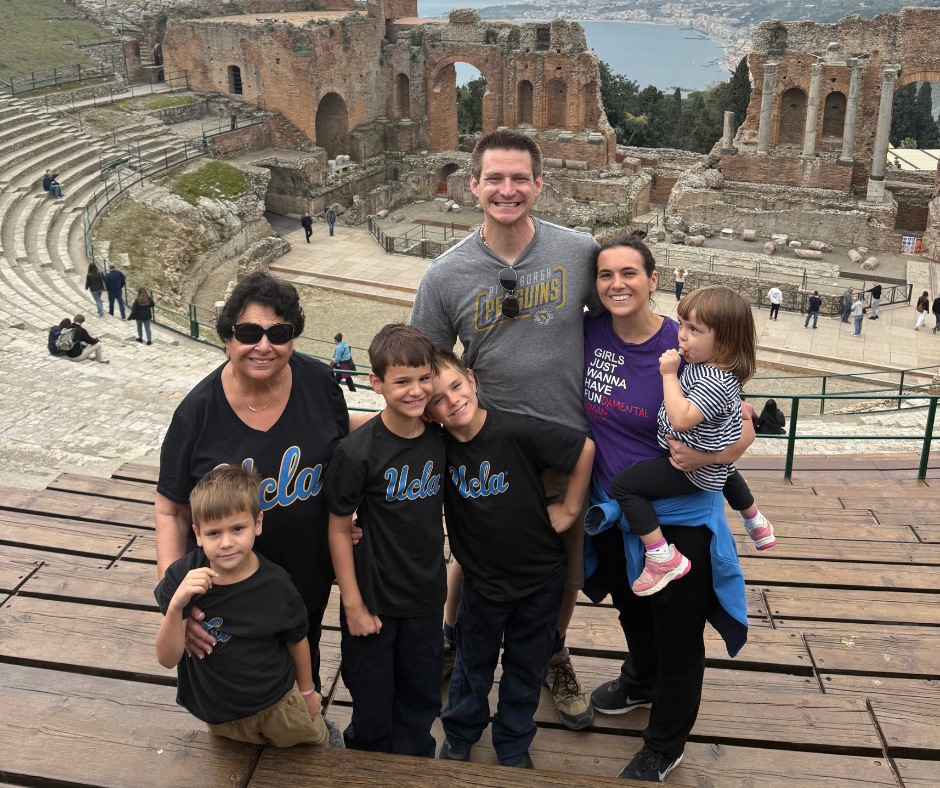
Outside of work, I really enjoy reading, cooking, and traveling. I read mostly non-fiction, but enjoy a novel when I am on vacation. On weekends when I am not on call, I like to find a new and challenging recipe to try. And I love to travel with my family. Getting out of town is a great stress reliever and rejuvenator for me.
What is a hobby or creative outlet that brings you joy?
I enjoy writing. I maintain a blog, which is sort of an open journal. It's therapeutic for me to write.
What is an adventurous/sporting activity that you love EVEN THOUGH you are a trauma surgeon?
I am sort of a risk-averse person, so I am not too adventurous. I am more likely to be adventurous with my travel destinations or new foods.
What is a place worth every penny that recharges you?
Our annual summer family vacation to Hilton Head Island. My husband and kids, my parents, and my brother and his kids rent a big house and do nothing but play games, sit on the beach, cool off in the pool, and enjoy being together for 7 days. It's heaven.
What is your best memory from an AAST interaction?
I don't have a single best memory. While the abstracts and sessions are great, the most important and impactful part of AAST is developing and maintaining friendships with other ACS surgeons from all parts of the US, and even the world.



Christina Colosimo, DO, MS
How do you spend your time away from work?
Chasing adventures (and snacks) while traveling with my family, it’s my favorite way to recharge.
What is a hobby or creative outlet that brings you joy?
I write fantasy novels in my spare time. One of these days I’m actually going to finish one.
What is an adventurous/sporting activity that you love EVEN THOUGH you are a trauma surgeon?
Pretty much anything involving water: cliff jumping, jet skis, parasailing, scuba diving, boating. If there’s water involved, I’m in.
What is a place worth every penny that recharges you?
Any warm beach. Sun, sand, and water. What more do you need?
Best memory from an AAST interaction:
Going to my first AAST conference as a resident, not knowing anyone, and walking away with friends from programs all over the country.


Disaster Committee
Burn Mass Casualty Incident: How do we manage them?
Written by: Natalie DeWitte, DO and Lori Rhodes, MD
Burn mass casualty events are uncommon but catastrophic, demanding rapid triage and coordinated surge planning. With rising global risk factors, preparedness is crucial. Learn the fundamentals of early management and where to access key national and international resources.
Burn Mass Casualty Incident: How do we manage them?
Disaster Committee
Burn Mass Casualty Incident: How do we manage them?
Written by: Natalie DeWitte, DO and Lori Rhodes, MD
Burn disasters are rare occurrences but when they do happen, they can be catastrophic and can be challenging to manage for those who may be unfamiliar with burn care. Burn disasters over the last hundred years have occurred in the setting of large fires, explosions, natural disasters, or acts of terrorism. Worsening global climate change, rise in industrialization and increased incidence of terrorism calls attention to the need for better preparation for these mass casualty events.
A burn mass casualty incident occurs when the number of burn victims exceeds the capacity of local burn centers. Surge capacity, the balance of staff, supplies, and space, becomes critical in managing the influx. Established triage criteria guide treatment decisions and determine the need for burn center transfer. Initial management includes stabilizing airway, breathing, and circulation. Burn size should be estimated using the rule of nines or the palm method, followed by resuscitation if indicated.
Often in mass burn casualty incidents, patients can have concomitant traumatic injuries making triage complex. In almost all situations, traumatic injuries will take priority over burn injuries such as uncontrolled hemorrhage, airway compromise, or traumatic brain injury as these are life-threatening. Patients with severe trauma and major burns should be considered for early transfer to tertiary care centers.
If a burn mass casualty event occurs, there are several organizations that provide resources. The ABA can provide disaster plans, hotlines with direct access to burn experts, and educational materials to help you respond to these events. The ASPR Tracie program under HHS provides guidance on triage, assessment and treatment. Lastly, the WHO has their own set of guidelines for managing these mass casualty events and has these available online for no cost. The following links can be found on AAST disaster committee website
Resources:

Pediatric Committee
Electric Bicycles: History, Risks, Legislation, and Policy Implications
Written By: Romeo Ignacio, MD, MS, and Sigrid Burruss, MD

Romeo Ignacio, MD, MS

Sigrid Burruss, MD
Electric bicycles are transforming mobility—but at what cost? This article explores the rapid rise of e-bikes, the surge in pediatric injuries, and the challenges posed by speed tampering, battery hazards, and fragmented regulations. Drawing lessons from helmet and seatbelt laws, it outlines strategies for safer adoption, from engineering standards to community education. A must-read for anyone navigating the intersection of innovation and public health.
Read More
Continued...
We negotiate with patients and families during difficult conversations. We negotiate with consultants about timing, priorities, and plans of care. We negotiate for operating room access, staffing, ICU resources, and institutional support. We negotiate with hospital leaders, policymakers, insurers, and multidisciplinary teams. In trauma and acute care surgery, we often negotiate under pressure, with incomplete information and competing priorities, where the stakes can be extraordinarily high.
At its core, negotiation is not about manipulation or winning. It is about alignment. It is the process of bringing people with different perspectives, incentives, and constraints toward a shared objective.
Surgeons are, in many ways, uniquely positioned to become effective negotiators. The skills required in surgery, preparation, situational awareness, communication, composure under pressure, and trust-building, are the same skills that define successful negotiation.
Negotiation is already embedded in surgical practice
Surgeons frequently underestimate how much of their work involves influence and negotiation beyond technical operative skill.
Consider informed consent. The goal is not simply to present facts, but to help patients and families navigate uncertainty, understand risk, and arrive at decisions that reflect their values.
Consider multidisciplinary care, where surgeons routinely balance differing opinions, personalities, and priorities while keeping patient care at the center. Consider leadership within hospitals and healthcare systems, where advocating for resources, building new programs, or addressing operational challenges all require navigating competing demands with limited resources.
The modern surgeon is not only an operator. Increasingly, surgeons are expected to be leaders, communicators, strategists, and advocates.
Preparation matters more than performance
The most critical part of negotiation often happens before the conversation begins.
Surgeons prepare meticulously before entering the operating room. We review imaging, anticipate complications, understand anatomy, and formulate contingency plans. Yet many people enter negotiations emotionally, reactively, and without fully understanding the perspectives of those involved.
Effective preparation means understanding what matters most to the other party, what constraints they are facing, what incentives are shaping their decisions, and what you truly need versus what would simply be ideal. It also means knowing your alternatives if alignment cannot be reached.
Too often, negotiations fail not because of disagreement, but because neither side took the time to understand the underlying motivations driving the conversation.
Listening is a leadership skill
Many people approach negotiation assuming success comes from persuasion. In reality, the most effective negotiators spend more time listening than speaking.
Surgeons are trained to make decisions quickly and decisively. That skill is essential clinically, but negotiation often requires slowing down long enough to uncover what is not being said. People rarely change their position because they were overwhelmed by arguments. They move because they feel understood.
Asking thoughtful questions can reveal concerns that appear unrelated to the issue at hand: fear of losing autonomy, institutional pressures, financial constraints, competing departmental demands, or personal uncertainty. Understanding those dynamics shifts the conversation from confrontation to collaboration.
Separate ego from objectives
Surgery naturally attracts driven, competitive people. Those traits are strengths in the operating room. In negotiation, they can work against you.
One of the most common mistakes is allowing a conversation to become personal. Not every disagreement is a threat to your authority or expertise. In many situations, the goal should not be to win an argument but to preserve a relationship while advancing a shared mission.
This matters especially in healthcare, where relationships are long-term and deeply interconnected. The person across from you today may become your collaborator, referral partner, department chair, or institutional ally tomorrow. Strong negotiators know when to push, when to compromise, and when preserving trust is worth more than any single short-term outcome.
Trust is the currency of negotiation
In surgery, trust is foundational. Patients trust us during some of the most vulnerable moments of their lives. Teams trust each other during high-stakes operations. Institutions trust leaders who consistently demonstrate integrity and accountability.
The same is true in negotiation. Trust is built through consistency, transparency, preparation, and credibility over time. It is hard to earn quickly and easy to lose.
People engage constructively when they believe your motivations are genuine and your word is reliable. Some of the most successful negotiations I have witnessed were not driven by leverage alone, but by relationships built years before the negotiation itself ever took place.
Negotiating your contract: what surgeons need to know
For all the negotiation that happens inside hospitals, many surgeons feel least prepared when it comes to negotiating on their own behalf. Employment contracts are complex documents with long-term consequences, and accepting the first offer without engagement is one of the most common and costly mistakes early-career surgeons make.
A few principles apply here as much as anywhere else.
Know your market value before you sit down. Compensation varies significantly by specialty, geography, practice setting, and call burden. Resources like the MGMA Physician Compensation Report, AAMC data, and specialty society surveys provide reliable benchmarks. Going into a contract discussion without this information puts you at an immediate disadvantage.
Understand what you are actually being offered. Base salary is only one component. Scrutinize the RVU structure and productivity thresholds, signing bonuses and whether they come with repayment obligations, partnership or shareholder timelines in private practice settings, call schedules and how after-hours coverage is compensated, tail coverage for malpractice insurance, relocation support, CME allowances, research or administrative protected time, and non-compete clauses and their geographic scope. Many surgeons focus almost entirely on base compensation and overlook provisions that will shape their day-to-day professional life for years.
Engage a healthcare attorney. At times, a physician-focused attorney can help identify problematic contract language, clarify ambiguous terms, and help you understand what is standard versus what is negotiable. The cost is modest relative to the value of a well-structured agreement.
Negotiate the whole package, not just the number. Institutions often have more flexibility on non-salary terms than on base compensation, particularly in academic or health system settings where salary bands are constrained. Protected time for research, leadership opportunities, administrative support, mentorship, and title can all be meaningful levers. Know what matters most to you and prioritize accordingly.
Put everything agreed upon in writing. Verbal commitments, even well-intentioned ones, are difficult to enforce. If something was promised during recruitment, it should appear in the contract or in a written addendum before you sign.
Remember that the negotiation sets a tone. How you advocate for yourself in a contract discussion signals something to your future employer. Approaching it professionally, specifically, and collaboratively, rather than adversarial, demonstrates the same qualities that will serve you throughout your career.
Negotiation beyond the hospital
As healthcare continues to evolve, surgeons are increasingly working beyond traditional clinical spaces, engaging in advocacy, health policy, philanthropy, innovation, administration, and public leadership. These environments require skills that surgical training has rarely emphasized.
The ability to build coalitions, align stakeholders, navigate competing interests, and communicate effectively across disciplines is becoming essential for surgical leaders. Whether advocating for trauma systems, addressing workforce shortages, improving access to care, or shaping healthcare policy, surgeons who understand negotiation will be better positioned to drive meaningful change.
Negotiation is not a distraction from surgical leadership. It is an essential part of it. The future of surgery will require leaders who can not only operate skillfully, but also build alignment, foster trust, navigate complexity, and lead difficult conversations with clarity and purpose. For surgeons early in their careers, negotiation should not be viewed as a transactional skill reserved for contract discussions. It is a lifelong leadership competency that shapes how we care for patients, collaborate with teams, and improve the systems around us.
At its best, negotiation is not about defeating another side. It is about creating pathways forward where meaningful progress becomes possible. And in many ways, that is what surgery has always been about.
Now Available: The 2024 ACS TQP Participant Use File (PUF)
The American College of Surgeons Trauma Quality Programs has released the 2024 Participant Use File (PUF) - a de-identified, patient-level dataset built from records submitted by more than 800 participating trauma centers.
Containing over 1.3 million patient records, the PUF supports meaningful research and quality improvement by giving investigators access to standardized data that reflects real-world trauma care. Researchers use it to explore trends, identify opportunities to improve outcomes, and inform trauma policy and practice.
As a deliverable of the ACS Trauma Quality Improvement Program (TQIP), researchers affiliated with participating TQIP centers are eligible to receive the PUF at no cost.
Learn more or request access to the 2024 TQP PUF at www.facs.org/tqppuf.

Healthcare Economics Committee
CMS Updates in 2026 That May Affect Your Practice
Written By: Author, Co-Editor: Raeanna C. Adams, MD, MBA, FACS, Co-Editor: Samir M. Fakhry, MD, FACS
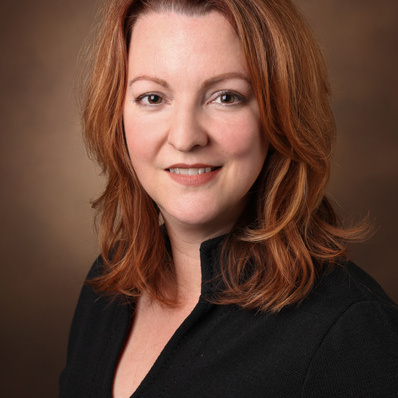
Raeanna Adams, MD, MBA, FACS
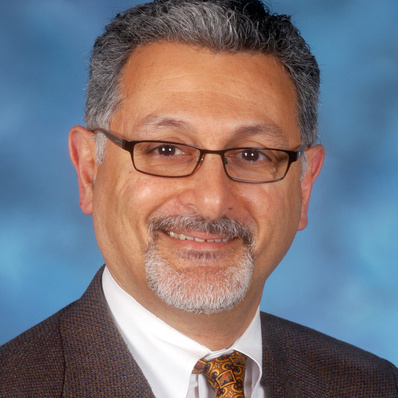
Samir Fahkry, MD, FACS
Coding and Reimbursement Changes in 2026: The increase to the Medicare Conversion Factor has been a hot topic on the healthcare scene. However, the new Efficiency Adjustment of -2.5% for all non-time-based codes (ie. sparing the E/M codes and predominantly affecting proceduralists) will be a significant factor in decreasing reimbursement for surgeons and increasing payments to primary care.
CMS Updates in 2026 that may affect your practice
Healthcare Economics Committee
CMS Updates in 2026 that may affect your practice
Written By: Author, Co-Editor: Raeanna C. Adams, MD, MBA, FACS, Co-Editor: Samir M. Fakhry, MD, FACS
Increase in Medicare Conversion Factor (CF): 3.26% for most physicians (if not in advanced alternative payment models)
(wRVUs + Practice Expense RVUs + Malpractice RVUs) x CF = Final Payment
“Efficiency adjustment” beginning January 2026, unless legislative changes: 2.5% decrease
- 2.5% decrease in wRVUs and intra-service time for almost all non-time-based codes
- Based on no new data or physician input.
-
- Affects nearly 7,000 physician services and 91% of services provided by physicians.
- It is predicted that 53% of general surgeons will see a 5-10% reduction in total RVUs; 28% will see a 2-5% reduction. Vs ~50% of primary care will see a 5-10% increase.
- CMS assumes physician time and intensity has decreased for all procedures.
- Procedure times are steady or increasing (average 3.1% increase in time, thought to be due to increasing complexity, obesity, comorbidities, etc)
- Primary care is advocating for this change, as those who will not see the Efficiency Adjustment will only get the increased reimbursement from the Conversion Factor increase.
- 50% cut to indirect Practice Expense (PE) RVUs for all facility-based services
- CMS assumes allocation of indirect costs for PE RVUs in facility setting at same rate as non-facility setting is “double counting” for facility-based indirect PE when hospitals employ physicians
- Indirect PE costs still exist for employed physicians and hospitals (not doctors) are true recipients of any double payments.
- Specialists who primarily see pts in an office will see pay increase. Physician payment for services in a facility will decrease ~7%.
*Upshot: Lower RVUs for same procedures - Applies across the board, even for newer codes that were already adjusted and based on recent data. Physicians with salaries based on RVUs should negotiate for appropriate adjustments of targets/benchmarks.
CPT Codes/Revisions Accepted (listed on public agenda, active January 2027) more details after finalized:
- Skin cell suspension autograft (SCSA) -Accepted addition of codes 15X19-15X22 for reporting ; revision of SCSA guidelines; and deletion of codes 15011-15018.
- Diaphragmatic hernia repair - Accepted addition of codes 39XX3-39X12 for repair of diaphragmatic hernia; addition of add-on code 39X13 for mesh implantation; revision of codes 39540, 39541 to reflect “via laparotomy” for diaphragmatic hernia repair.
References
- American Medical Association (AMA) — “AMA releases CPT 2026 code set” (Sept 11, 2025) (American Medical Association)
- MLN14315 Medicare Physician Fee Schedule Final Rule Schedule CY 2026. https://www.cms.gov/files/document/mm14315-medicare-physician-fee-schedule-final-rule-summary-cy-2026.pdf
- Centers for Medicare & Medicaid Services (CMS) — “CY 2026 Payment Policies under the Physician Fee Schedule and Other Changes to Part B Payment Policies” (Final Rule 2025) (Federal Register)
- Childers, Christopher P; Foe, Lauren M; Mujumdar, Vinita; Mabry, Charles D; Selzer, Don; Senkowski, Christopher K; Ko, Clifford Y; Tsai, Thomas C. Longitudinal Trends in Efficiency and Complexity of Surgical Procedures: Analysis of 1.7 Million Operations Between 2019 and 2023. Journal of the American College of Surgeons. 241(5):p 741-744, November 2025. | DOI: 10.1097/XCS.0000000000001588

Palliative Care Committee
Perioperative DNAR
Author: Melanie Bobbs, MD FACS

Melanie Bobbs, MD
We’ve all been there. It’s two in the morning, and you are on call. A patient comes into the Emergency Department with abdominal pain. They are septic, altered, and you are informed they have a pre-existing “Do Not Attempt Resuscitation” (DNAR) order.
Perioperative DNAR
Palliative Care Committee
Perioperative DNAR
Author: Melanie Bobbs, MD FACS
We’ve all been there. It’s two in the morning, and you are on call. A patient comes into the Emergency Department with abdominal pain. They are septic, altered, and you are informed they have a pre-existing “Do Not Attempt Resuscitation” (DNAR) order.
Historically, undergoing surgery was an informal agreement between patients and their providers. This implied contract suggested patients will accept life-saving treatment necessary for survival in the perioperative period. Thus, many institutions and clinicians developed a culture of automatic suspension for any existing DNAR orders if a patient was proceeding to the operating room. This process is very different from individualized treatment plans based on goals of care. For many, automatic suspension of DNAR orders was an effort to practice nonmaleficence, a core principle to our profession. Many have felt that not attempting resuscitation following a perioperative complication, whether due to therapeutic effort or error, violates our duty to do no harm. However, automatic suspension of DNAR orders does not sufficiently address a patient’s right to self-determination and autonomy. The American College of Surgeons (ACS) published its last Statement on the Advanced Directives by Patients: “Do Not Resuscitate” in the Operating Room in 2013, revised from 1994, advising “required reconsideration” for patients undergoing an operation with an existing DNAR order. While this should not be confused as mandating the patient reconsider their wishes, it does imply that surgeons have a duty to understand the patient’s goals of care in the time constraints of the clinical situation.
In circumstances with limited time, it is important to have a clear algorithm to address and understand these goals. There are three peri-operative plans to help guide the discussion, and you should ask questions to delineate which of them match your patient’s values. These three options are: temporarily suspend the DNAR order; conditionally suspend/modify the DNAR order; do not suspend the DNAR order. Try to obtain and review the pre-existing DNAR and record it in the patient’s medical record. Assess whether your patient has capacity to discuss their DNAR order, and if not, attempt to reach out to a surrogate decision maker. Next is to understand the patient’s values, preferences and goals that originated the DNAR order. Questions to consider asking the patient include, “Are there states you find unacceptable?” and “What is currently most important to you?” After gathering this information from the patient or surrogate, then an informed consent discussion ensues, which includes disclosing potential adverse scenarios and perioperative complications, and whether the planned operation or procedure will enhance, maintain, or diminish the patient’s quality of life. It is critically important to understand if any potential outcomes do not align with states the patient would find unacceptable. Avoiding or aborting a procedure may be more concordant with the patient’s goals of care. Clearly document your discussion in the medical record.
To help simplify discussions on perioperative plans, use levels of care to distinguish life sustaining treatments (LSTs) that best fit the patient’s goals while undergoing general anesthesia. This can also help avoid unrealistic “checklists” with certain treatment. (Table 1) If you and your patient decide to modify or suspend the DNAR order, it is critically important to clearly define the “perioperative period,” document if/when the DNAR order modification will end, and communicate this clearly with all stakeholders, including the operating room, recovery, and bedside staff. Well-defined time trials should also be considered if a DNAR order is suspended, ideally every 24-48 hours to assess whether the treatment plan and progress is consistent with the patient’s goals of care.
Goals of resuscitation in the event of perioperative complications should be with communication and agreement between anesthesia colleagues and others. Ideally, the anesthesia team should participate during discussion of LSTs, however, this is not always feasible. Regardless, it is the surgeon’s responsibility to clearly articulate potential findings of an operation and the plan for resuscitation based on the perioperative discussion. Use the surgical time-out to reinforce this communication. For example, during the time-out the surgeon might say “patient consents to Level 2 resuscitation. We will not perform chest compressions or defibrillation under any circumstance.”
Finally, document and articulate your understanding of their goals and how that supports your plan of care. This includes documenting a pre-determined time to discuss the patient’s progress, ongoing goals of care, and potential reinstatement of the DNAR order. In the setting of an imminent, life-threatening emergency, or with an inability to contact a surrogate decision-maker for a patient without decision-making capacity, unilateral suspension of a DNAR order may be the most appropriate option. In this setting, you must give consideration to resuscitation in the context of any previously documented wishes and the presenting disease process. If you proceed to the OR emergently, every effort should be made to contact the patient’s surrogate postoperatively. In this situation, it is recommended to utilize a time trial of 24-48 hours to re-evaluate the suspension of the DNAR order.
There are still indications for unilateral suspension of DNAR orders, and there is considerable difficulty and pressure to gather information regarding goals of care when time is limited. However, we must adopt patterns and systems that encourage self-determination with individualized perioperative plans. With cultural change, improved documentation, and focused questions to delineate goals and values, we can maintain our duty to do no harm, allow patient autonomy, and provide the highest level of compassionate care.
The AAST Palliative Trauma Committee has created a Goals of Care One-Pager that summarizes this information. Please download it from the website, and hang in the ICU, the resident workroom and other spaces where it can be referenced.
Table 1
|
Level of Care |
Life-Sustaining Treatments (LSTs) |
|
Level 1 (required for routine administration of general anesthesia) |
IV fluids, intubation, mechanical ventilation, vasopressors |
|
Level 2 (required during clinical deterioration) |
Blood transfusion, inotropes, antiarrhythmic drugs, cardioversion |
|
Level 3 (required for cardiopulmonary arrest, excluded if DNAR order retained) |
Chest compressions, defibrillation, E-CPR using ECMO circuit |
Diversity, Equity, and Inclusion Committee
Critical Appraisal of SCORE’s Diversity, Equity, and Inclusion Curriculum for General Surgery Residents
Written By: Megan T. Quintana, MD FACS
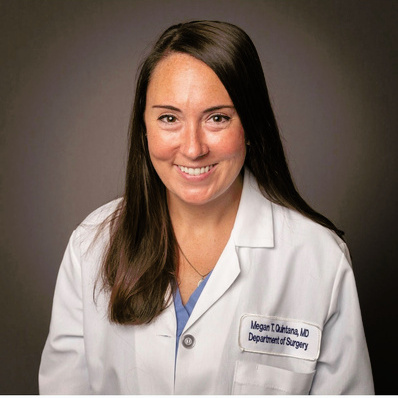
Megan T. Quintana, MD FACS
Curious about what DEI-focused material lives on SCORE? Read on to discover where the curriculum works to promote equity and where there’s room for more meaningful growth.
Critical Appraisal of SCORE’s Diversity, Equity, and Inclusion Curriculum for General Surgery Residents
Diversity, Equity, and Inclusion Committee
Critical Appraisal of SCORE’s Diversity, Equity, and Inclusion Curriculum for General Surgery Residents
Written By: Megan T. Quintana, MD FACS
The SCORE Curriculum has made deliberate progress in expanding DEI-focused educational offerings for general surgery residents, and the six currently available modules represent a notable step toward embedding equity principles into core surgical training. Collectively, these resources span foundational concepts such as cultural awareness, language barriers, communication norms, allyship, and the socio-structural forces shaping the surgical workforce. Still, amount of content, content depth, pedagogical strategy, and integration vary widely across modules, revealing some strengths and many more opportunities for further development.
Strengths of the Current SCORE DEI Portfolio
Several modules demonstrate impressive scholarly rigor and contemporary relevance. Diversity in the U.S. Surgical Workforce provides a rich, data-driven overview of representation gaps and trends across training and academic leadership. Its explicit use of updated UIM definitions, pipeline data, and institutional barriers (e.g., minority tax, biased promotion structures) gives learners a robust foundation for understanding structural inequities that shape surgical training and practice. The Allyship and Bystander Intervention module similarly stands out for providing concrete frameworks such as the “Five Ds” and real-world behavioral taxonomies that allow residents to identify, interpret, and respond to disruptive behavior—a critical skill given the well-documented links between psychological safety, communication failures, and adverse patient outcomes.
The PACTS module extends the curriculum’s cross-cultural competence by emphasizing trust-building, trauma-informed communication, and optimizing encounters with patients with limited English proficiency. Its incorporation of informed consent as an iterative, culturally influenced process is particularly valuable for surgical residents who often navigate high-stakes decisions in compressed timelines.
SCORE also attempts to integrate DEI concepts into modules not explicitly branded as DEI content. For example, Communicating Medical Errors incorporates cultural dimensions of apology, acknowledgement, and trust—an important reminder that equity is inseparable from core professional competencies.
Gaps and Opportunities for Enrichment
Despite the existing content, the curriculum varies in sophistication. Some modules, especially Working Through Language Barriers and Differing Customs, present culturally relevant scenarios but rely heavily on lists, definitions, and broad principles without offering nuanced discussion of intersectionality, systems-based inequities, or the sociopolitical context influencing patient-physician interactions. Guidance for using interpreters is practical but remains focused on mechanics rather than deeper issues of power dynamics, health literacy, or institutional responsibilities in mitigating inequitable communication practices.
The lack of structured assessment tools represents another lost opportunity. None of the reviewed modules include validated evaluation instruments, reflective prompts, or entrustable professional activity-aligned competencies. Without mechanisms to measure learner growth, DEI training risks becoming theoretical rather than transformative.
Additionally, although the modules highlight the lack of UIM representation and the persistence of microaggressions, they provide limited exploration of antiracist praxis, systems-level redesign, or concrete programmatic strategies that residency programs can implement. The curriculum would be strengthened by expanding its focus to include structural competency, restorative approaches to conflict, and institutional accountability frameworks.
SCORE’s DEI-related offerings provide the start of a foundation for resident learning but could better reflect the surgical community’s growing commitment to equity and inclusion. The content is strongest when it integrates DEI principles into essential surgical competencies (communication, trust-building, patient safety) and weakest where it remains largely descriptive rather than action-oriented. As the field continues to evolve, future iterations would benefit from deeper structural analysis, competency-based assessments, richer scenario-based learning, and stronger integration of DEI content across all clinical modules, not as supplemental material, but as core to the practice of safe, effective, and human-centered surgery.

8th World Trauma Congress
Written By: Raul Coimbra, MD, PhD, Editor-in-Chief

Raul Coimbra, MD, PhD
Join us for the 8th World Trauma Congress April 26-28, 2026 in Stockholm Sweden!
8th World Trauma Congress
8th World Trauma Congress
Written By: Raul Coimbra, MD, PhD
Despite initial challenges in organizing the 8th World Trauma Congress, the combined scientific program has been finalized and looks strong. The meeting will be held in Stockholm, Sweden, April 26-28, 2026.
We are confident it will be a great conference, with ample opportunity for superb learning, updates on current concepts of trauma care, and, very importantly, networking.
The WCT abstract submission remains open. Please see information about abstract submission and the meeting venue, registration, and hotel reservations below:
- WTC ABSTRACT SUBMISSION: (opened on 10/27/2025, and CLOSES on 1/15/2026)
- Abstracts may be accepted for Oral presentation, Quickshot (mini-oral presentation), or Posters, depending on space availability at the meeting.
- The best 15-20 abstracts will be invited to submit a full manuscript for publication in the journal Trauma Surgery and Acute Care Open, open access, and free of charge.
- Link for Abstract Submission:
MEETING INFORMATION
Venue
Kistamässan
Arne Beurlings Torg 5
64 40 Kista, Schweden
Registration Information
https://estes-congress.org/registration
Hotel
There are many hotels in the area but the ones where rooms have been blocked for the congress are:
Victoria Tower (in junction to the venue): https://www.scandichotels.com/sv/hotell/scandic-victoria-tower
Voco: https://www.ihg.com/voco/hotels/us/en/kista/stokt/hoteldetail?cm_mmc=GoogleMaps-_-VX-_-SE-_-STOKT
I hope you will be able to submit your research to the 8th WTC.
See you all in Stockholm.
Raul Coimbra, MD, PhD, FACS
Executive Director – World Coalition for Trauma Care
President – 8th World Trauma Congress
Missed an Issue?
If you missed the last issue or want to revisit past content, you can browse all previous editions on our archive page. Whether you're looking for policy updates, committee highlights, or educational content, it's all there.


The Cutting Edge Podcast
Prefer to listen on the go? The Cutting Edge Podcast brings AAST to life with engaging conversations, exclusive interviews, and behind-the-scenes stories from the world of trauma and acute care surgery.
Front Line Surgery: Mastering Military Trauma Care
We’re proud to launch Front Line Surgery, a new podcast series focused on advancing readiness and expertise in military trauma surgery. Each episode features in-depth conversations with experienced military surgeons, critical case reviews, and practical strategies tailored to the challenges of battlefield care. Now streaming wherever you get your podcasts!